
Peters’ provision would ensure this critical resource remains available to adolescents, families, care providers, and communities. The SUPPORT for Patients Reauthorization Act was approved by the Senate Health, Education, Labor, and Pensions Committee and now moves to the full Senate for consideration. In the United States, buprenorphine can also be provided at an OTP, but it is most commonly prescribed in an office-based setting (e.g., a primary care clinic) to patients who fill the prescription at regular pharmacies. Patients can then administer buprenorphine sublingually to themselves, as with most other medications for chronic disease.
- For more information on evidence-based guidelines visit Addiction Medicine Primer.
- Also, be sure to ask if drugs other than opioids are available or if other types of treatment can be used instead.
- They can become drowsy and sleepy, or may also experience the opposite in losing the ability to sleep well.
- Like methadone, buprenorphine can bring relief to a patient in opioid withdrawal.
- Blood, urine or other lab tests are used to assess drug use, but they're not a diagnostic test for addiction.
A multifaceted approach that combines therapy, medication, and social support can be the most beneficial in many cases. Although this extra power has benefits in a medical context, it also raises your risk of an opioid overdose if you misuse opioids or use them without guidance from a doctor. Since 2016, the majority of deaths in the opioid overdose epidemic have involved synthetic opioids.
Lifestyle
Addiction is a chronic, relapsing disease; be sure to ask your doctor about the risk of relapse and overdose. There are many forms of overdose reversal medications to meet the needs of different populations. Cheap, easy access to the drugs, when combined with their extraordinary potency, creates an extremely high risk of addiction and overdose.
- Models in France and the UK have shown that community donations may be an effective solution as a primary source of funds.
- The longer you use opioids, the greater chance you have of experiencing chronic health issues.
- Naltrexone Non-addictive opioid antagonist that blocks the effects of other narcotics; daily pill or monthly injection.
- The Commonwealth has poured $1.2 billion into addiction prevention, treatment, and harm reduction programs since 2015, yet state officials acknowledged they need to do more to reverse the trend in overdose deaths and keep pace with the evolving epidemic.
- Wade also explains that changes in the available formulations can help improve its delivery and medication adherence.
Buprenorphine and methadone are currently the most widely prescribed pharmacological opioid treatments and have been shown to have the highest efficacy in clinical trials [11]. Research shows that when treating addictions to opioids (prescription pain relievers or drugs like heroin or fentanyl), medication should be the first line of treatment, usually combined with some form of behavioral therapy or counseling. Medications are also available to help treat addiction to alcohol and nicotine. You are living with your peers, and you can support each other to stay in recovery.
Medical Professionals
"Being able to address trauma in early childhood is imperative, and can make a difference in that child's growth and development in terms of cognitive development, emotional development and social development," Paris says. Paris says early intervention can help reduce some of those effects of addiction on children. In this online video from the Sesame Workshop, Elmo's dad explains the word "addiction" in an age-appropriate way, as they discuss why Karli's mom is in treatment. In separate videos and stories available for free online, Karli, Elmo and supportive adult characters discuss how Karli's mother is in recovery for an unspecified addiction.
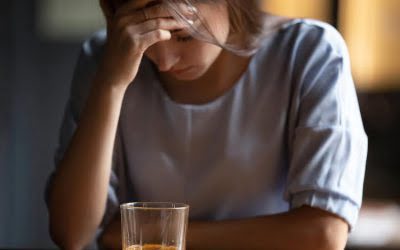
However, they may also cause unwanted side effects, like constipation and drowsiness. Therapy approaches often used to help treat OUD include cognitive behavioral therapy (CBT) and acceptance and commitment therapy (ACT). Your medical history won’t necessarily prevent you from getting pain medication, but it can prompt your care team to offer additional safeguards to help lower your risk of OUD.
What are the signs and symptoms of OUD?
When the behavior of a person addicted to opioids starts to affect their partners, children, or parents, family therapy can be helpful. Sometimes, hearing from loved ones about their experiences can motivate a person dealing with substance use to change their behavior. In other words, since naltrexone blocks opioid effects, it reduces the reinforcing effects of opioids even when they are ingested. Because people find that opioids are no longer reinforcing, they may be less likely to use them. People who are addicted to opioids, such as heroin, can be physically stabilized on methadone which allows them to engage in therapy to treat the underlying causes of their addiction. Harm reduction focuses on reducing the physical and social harms that affect people who use heroin (and sometimes other opioids) rather than on encouraging the person to quit.
Traffickers don’t have to secure farmland and peasant labor as they did to cultivate poppies or coca. Seizures by law enforcement are little more than a nuisance, because the drugs can be replaced by labs overnight. In the background is a continuing reaction to the excesses of America’s late-20th-century https://ecosoberhouse.com/ War on Drugs. Some of the Baby Boomers who now run many American institutions once sneered—appropriately—at the hysterical anti-marijuana messages directed at them in their youth. And although few would equate 1980s-era marijuana with fentanyl, their suspicion of drug panic lingers.
What is opioid use disorder (OUD)?
With extremely limited access to medications for OUD, however, patients may not be offered medication at all, much less be offered a choice between the FDA-approved medication options. Real-world evidence could help to elucidate the role of patient choice in the success of long-term treatment. Patients entering treatment often have strong preferences for one medication or another (Uebelacker et al., 2016), although many individuals entering treatment have limited knowledge regarding the available medications to treat OUD (Alves opioid addiction treatment and Winstock, 2011). Increasing medication access, uptake, and retention will require taking patients' beliefs and preferences about medications into account (Uebelacker et al., 2016). Through shared decision making, a patient's preferences, goals, and motivations can be used to guide the choice of medication for OUD treatment. Medications used in the treatment of opioid addiction support a person’s recovery by helping to normalize brain chemistry, relieving cravings, and in some cases preventing withdrawal symptoms.
- You can reduce your risk of dangerous side effects by following your doctor's instructions carefully and taking your medicine as prescribed.
- In December 2022, the Centers for Disease Control (CDC) reported that monthly drug overdose deaths nearly tripled among adolescents age 10 to 19 years during the first 2 years of the COVID-19 pandemic.
- Hypnotherapy can be empowering and relaxing, helping someone feel more in control of their thoughts without drugs.
- Keep in mind, though, that you’ll always want to get professional guidance before changing your dose or taking your medication less often.
While the medication is highly effective, it is so tightly regulated that many patients see it as impossible to access. The medication Narcan (naloxone) is used in an emergency when someone has overdosed on opioids. Narcan quickly stops the action of opioids in the body, which can help revive someone who has overdosed. In March 2023, the Food and Drug Administration (FDA) approved Narcan Nasal Spray as an over-the-counter (OTC) emergency treatment for opioid overdose.
By Julie Scott, MSN, ANP-BC, AOCNP Julie is an Adult Nurse Practitioner with oncology certification and a healthcare freelance writer with an interest in educating patients and the healthcare community. Opioid abuse can cause the brain and body to become overly sensitive to pain. This often happens when someone is trying to cut back or quit using these medications. Diversion is a legal concept involving the transfer of any legally prescribed controlled substance from the person for whom it was prescribed to another person for illicit use (see Box 1-5). Addiction is a condition where something that started as pleasurable now feels like something you can't live without.
Medication assisted treatment (MAT) with buprenorphine and other effective drugs is an essential public health tool to prevent future loss of life for those suffering from opioid addiction. However, MAT is often designed for adults, making it more difficult for adolescents to access this proven treatment. You can get OUD treatment in different settings, depending in part on how severe your OUD is. You’ll usually get it through inpatient or outpatient programs that are dedicated to treating substance use disorders.