
Understanding Gambling Addiction
Gambling addiction, also known as compulsive gambling, is a behavioral disorder characterized by an uncontrollable urge to gamble despite the potential negative consequences. It's crucial to understand that gambling can begin as a harmless pastime but online casino australia can spiral into a serious addiction that affects not only the individual but also their loved ones. Recognizing the signs early can help initiate conversations about seeking help, which is essential in combating this debilitating condition.
In addition to personal issues, gambling addiction has broader societal implications, including financial distress and family problems. Individuals may find themselves isolated from friends and family, which only perpetuates the cycle of addiction. Knowing how to identify warning signs can lead to timely intervention and support, directing individuals towards resources that can help them regain control.

Common Red Flags of Gambling Addiction
One of the most common signs of gambling addiction is preoccupation with gambling. Individuals may spend an inordinate amount of time thinking about betting or strategizing their next game, even when they should be focusing on other responsibilities. This distraction can impact work, school, and personal relationships, leading to significant stress and dissatisfaction.
Another red flag is the need to gamble with increasing amounts of money to achieve the same thrill. What may begin as small bets can escalate into larger, riskier wagers as the individual seeks that initial high. This behavior often leads to a vicious cycle of losing, leading to chasing losses, further increasing the risk of addiction.
Emotional Symptoms of Gambling Addiction
Emotional instability is often a telling sign of gambling addiction. Individuals may experience mood swings, anxiety, or irritability when they are unable to gamble. For them, gambling becomes a way to escape from life's stresses, but when that outlet is removed, it can lead to emotional distress. Recognizing these symptoms is crucial for both the individual and their loved ones.
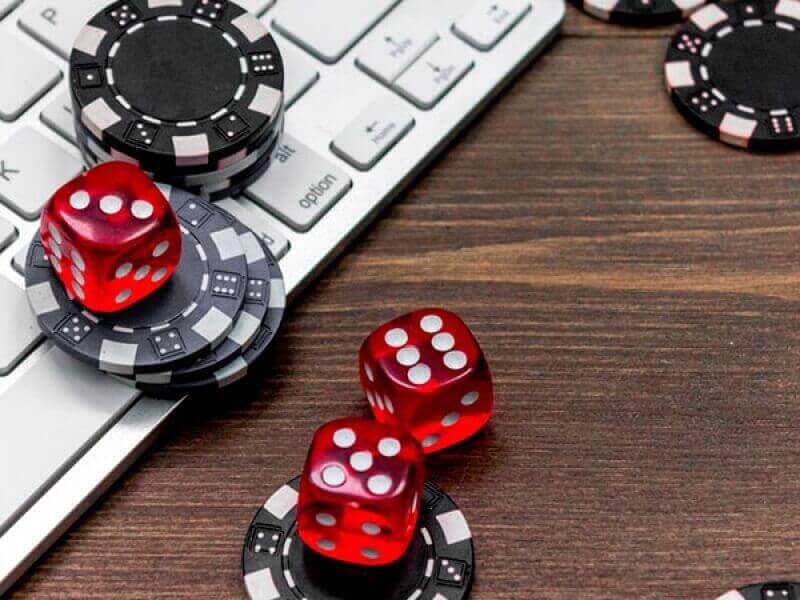
Feelings of guilt or shame often accompany gambling addiction. Individuals may lie to friends and family about their gambling habits or try to hide their losses. This deceit can create a wedge in relationships, deepening feelings of isolation and driving them further into addiction. Addressing these emotional challenges with professional support can be instrumental in breaking the cycle.
The Impact on Relationships and Finances
Gambling addiction can have serious repercussions on interpersonal relationships. Friends and family may become frustrated and confused by the gambler's behavior, leading to conflicts and estrangement. As financial problems mount—often a result of excessive gambling—additional stress can strain these relationships to the breaking point.
Financial struggles are often one of the most noticeable signs of gambling addiction. Individuals may bury themselves in debt, take loans, or even resort to illegal activities to support their gambling habits. Acknowledging financial red flags can be a wake-up call for both the individual and their loved ones, emphasizing the urgent need for intervention and support.
How to Get Help and Support
Recognizing the warning signs of gambling addiction is the first step towards recovery. If you or someone you know is exhibiting these behaviors, it’s vital to seek professional help. Various treatment options, including counseling and support groups, can assist individuals in managing their addiction and rebuilding their lives. Therapy can provide coping strategies, helping them address underlying issues that may contribute to their compulsive behavior.
In addition to professional help, family and friends play a crucial role in the recovery process. Offering support, understanding, and encouragement can make a significant difference in an individual's journey toward healing. It's important to foster an open dialogue about gambling habits and emphasize that seeking help is a sign of strength, not weakness.